Exploring the 12 Benefits of Regular Meditation for Stress-Free Living, this introduction sets the stage for an enlightening comparison of the advantages that meditation can offer in promoting a stress-free lifestyle.
Dive into the world of meditation and discover how it can positively impact various aspects of your life, from physical well-being to mental clarity and emotional stability.
Benefits of Regular Meditation
Meditation is a practice that involves focusing the mind on a particular object, thought, or activity to achieve a state of mental clarity and emotional calmness. It has been used for centuries as a tool to reduce stress, increase self-awareness, and promote relaxation.
Reduction in Stress Levels
- Meditation helps to calm the mind and reduce the production of stress hormones such as cortisol.
- Regular practice of meditation can lower blood pressure and slow down the heart rate, leading to a sense of calm and relaxation.
- By focusing on the present moment during meditation, individuals can let go of worries about the past and future, reducing anxiety and stress levels.
Improved Mental Well-being
- Meditation has been shown to increase the production of feel-good neurotransmitters like serotonin and endorphins, which can improve mood and overall mental well-being.
- Regular meditation practice can enhance self-awareness and self-compassion, helping individuals to better understand and manage their emotions.
- By cultivating a sense of inner peace and mindfulness through meditation, individuals can develop a more positive outlook on life and cope better with challenges.
Physical Benefits

Regular meditation not only has mental and emotional benefits but also plays a crucial role in improving physical health. The practice of meditation has been shown to have a positive impact on various health conditions and contributes to overall well-being.
Reduction of Blood Pressure
Meditation has been found to be effective in reducing blood pressure levels. By practicing meditation regularly, individuals can experience a decrease in both systolic and diastolic blood pressure readings, leading to better heart health and reduced risk of cardiovascular diseases.
Boosted Immune System
Regular meditation can strengthen the immune system, making the body more resilient to infections and illnesses. The relaxation response induced by meditation helps in reducing stress hormones, which can suppress the immune system, thus improving overall health and well-being.
Pain Management
Meditation has been used as a complementary therapy for pain management. By focusing the mind and practicing mindfulness, individuals can reduce the perception of pain and improve their ability to cope with chronic pain conditions such as arthritis, migraines, and lower back pain.
Improved Sleep Quality
Individuals who practice meditation regularly often report better sleep quality and reduced insomnia symptoms. Meditation helps in calming the mind, reducing stress and anxiety levels, which in turn promotes relaxation and better sleep patterns, contributing to overall physical health.
Enhanced Respiratory Function
Through deep breathing exercises and mindfulness practices in meditation, individuals can improve their respiratory function. By focusing on the breath and practicing controlled breathing techniques, individuals can enhance lung capacity, oxygenation of the body, and overall respiratory health.
Mental Clarity and Focus
Meditation is a powerful tool that can greatly enhance mental clarity and focus. By calming the mind and reducing stress, meditation allows individuals to think more clearly and concentrate better on tasks at hand.
Techniques to Improve Concentration
- Focus on your breath: One common technique is to focus on the breath as it enters and leaves your body. This helps anchor your mind to the present moment and improves concentration.
- Body scan meditation: This involves slowly scanning your body from head to toe, paying attention to each part. This can help increase awareness and focus.
- Mantra repetition: Repeating a word or phrase silently can help quiet the mind and enhance concentration.
Boosting Cognitive Function with Meditation
Meditation has been shown to have numerous benefits for cognitive function. Studies have demonstrated that regular meditation practice can lead to improvements in memory, attention, and decision-making abilities. By reducing stress and promoting relaxation, meditation can help optimize brain function and enhance overall mental performance.
Emotional Stability
Meditation plays a crucial role in promoting emotional stability by helping individuals regulate their emotions, manage stress, and cultivate a sense of inner peace. Through regular practice, individuals can develop greater self-awareness and emotional resilience, enabling them to navigate life’s challenges with a calm and centered mindset.
Benefits of Emotional Stability Through Meditation
- Meditation helps individuals become more attuned to their emotions, allowing them to identify and acknowledge their feelings without judgment.
- By practicing mindfulness during meditation, individuals can learn to respond to emotions in a more constructive and positive manner, rather than reacting impulsively.
- Regular meditation can reduce the intensity of negative emotions such as anxiety, anger, and sadness, promoting a sense of balance and equanimity.
- Emotional stability cultivated through meditation can improve relationships, as individuals are better able to communicate effectively and empathize with others.
- When faced with challenging situations, individuals with emotional stability are more likely to approach them with clarity and composure, making informed decisions.
Stress Management
Regular meditation serves as an effective tool for managing stress by helping individuals cultivate a sense of inner peace and calmness. By incorporating meditation into daily routines, individuals can develop coping mechanisms to deal with stressors more effectively.
Meditation Techniques for Stress Reduction
- Mindfulness Meditation: Focuses on being fully present in the moment, observing thoughts and sensations without judgment. This technique helps individuals become aware of stress triggers and learn to respond in a more balanced way.
- Guided Visualization: Involves visualizing peaceful and serene scenes to promote relaxation and reduce stress. This technique can help individuals create a mental escape from stressful situations.
- Transcendental Meditation: Involves repeating a mantra to achieve a state of relaxed awareness. This technique has been shown to reduce stress hormones and promote a sense of calm.
Long-Term Effects of Regular Meditation on Stress
Regular practice of meditation has long-term benefits on stress levels by rewiring the brain’s response to stressors. Over time, individuals who meditate regularly are able to manage stress more effectively, leading to reduced overall stress levels and improved well-being.
Improved Sleep: 12 Benefits Of Regular Meditation For Stress-Free Living
Meditation can significantly improve sleep quality by helping to calm the mind, reduce stress, and promote relaxation. When practiced regularly, meditation can create a sense of inner peace that carries over into bedtime, making it easier to fall asleep and stay asleep throughout the night.
Tips for Incorporating Meditation into a Bedtime Routine, 12 Benefits of Regular Meditation for Stress-Free Living
- Set aside a few minutes before bedtime to sit quietly and focus on your breath.
- Use calming music or guided meditation apps to help create a peaceful atmosphere.
- Avoid screens and stimulating activities at least an hour before bedtime.
- Practice gentle yoga or stretching to relax your body before meditating.
Relationship Between Relaxation Through Meditation and Improved Sleep Patterns
Meditation promotes a state of deep relaxation that can help calm the nervous system, reduce cortisol levels, and lower heart rate – all of which are essential for falling asleep and staying asleep. By incorporating meditation into your daily routine, you can create a sense of calm and inner peace that carries over into bedtime, leading to improved sleep patterns and overall well-being.
Boosted Immune System
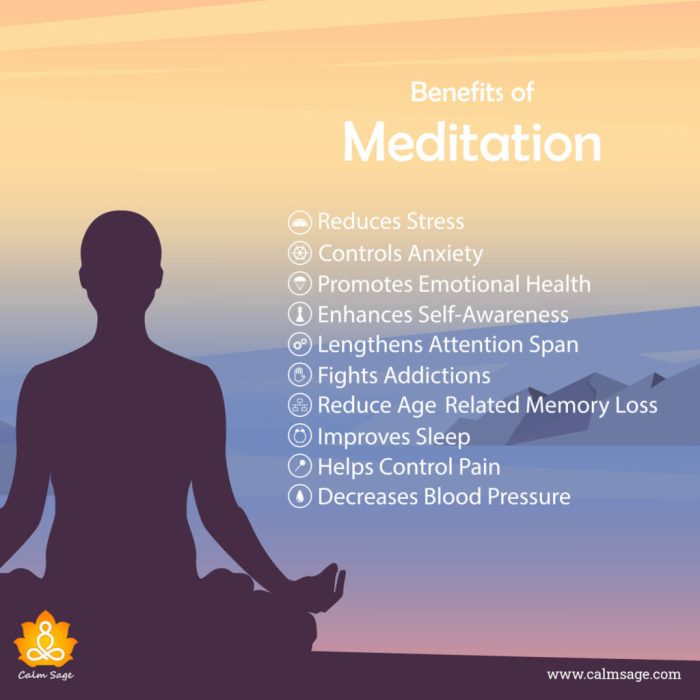
Regular meditation has been shown to have a positive impact on the immune system. By reducing stress levels through meditation, the body is able to function more efficiently, leading to a stronger immune response. Studies have indicated a clear link between meditation and improved immunity, highlighting the importance of incorporating this practice into daily life.
Reduced Inflammation and Immune Response
- Meditation can help reduce inflammation in the body, which is often linked to a weakened immune system. By calming the mind and body, meditation allows the immune system to function optimally, fighting off infections and illnesses more effectively.
- Research has shown that individuals who practice meditation regularly have higher levels of antibodies, which play a crucial role in defending the body against harmful pathogens.
- One study published in the journal Psychosomatic Medicine found that participants who engaged in mindfulness meditation had significantly lower levels of a marker for inflammation compared to those who did not meditate.
Increased Self-Awareness
Meditation plays a crucial role in enhancing self-awareness by allowing individuals to connect with their inner thoughts, emotions, and sensations. This practice enables individuals to develop a deeper understanding of themselves and their reactions to various situations.
Techniques for Self-Reflection
- Body Scan Meditation: By focusing on each part of the body and observing sensations without judgment, individuals can become more aware of physical tension and areas of discomfort.
- Mindfulness Meditation: Practicing present-moment awareness helps individuals observe their thoughts and emotions without getting caught up in them, leading to increased self-awareness.
- Journaling: Reflecting on meditation experiences and insights in a journal can provide valuable insights into patterns of behavior and recurring thoughts.
Benefits of Self-Awareness through Meditation
- Improved Emotional Regulation: Understanding one’s emotional triggers and reactions can help individuals respond to challenging situations with greater calmness and clarity.
- Enhanced Decision-Making: Self-awareness allows individuals to make decisions that align with their values and goals, leading to a more fulfilling life.
- Better Relationships: By understanding their own emotions and behaviors, individuals can communicate more effectively and empathize with others, fostering healthier relationships.
Enhanced Relationships
Meditation not only benefits your personal well-being but also plays a vital role in enhancing your relationships with others. By cultivating self-awareness and inner peace through regular meditation practice, you can positively impact your interactions with family, friends, colleagues, and even strangers.
Improved Communication
- Meditation helps you become more present and attentive during conversations, leading to improved communication with others.
- By being more aware of your thoughts and emotions, you can respond rather than react impulsively in challenging situations, fostering healthier communication patterns.
- Enhanced self-awareness gained through meditation allows you to understand the perspectives of others, leading to more empathy and compassion in relationships.
Reduced Conflict
- Inner peace cultivated through meditation helps you approach conflicts with a calmer mind and a more balanced perspective.
- By managing stress and emotions effectively through meditation, you are less likely to engage in unnecessary arguments or escalate conflicts with loved ones.
- Improved emotional stability and self-regulation from meditation practice can prevent misunderstandings and miscommunications, promoting harmony in relationships.
Productivity and Creativity
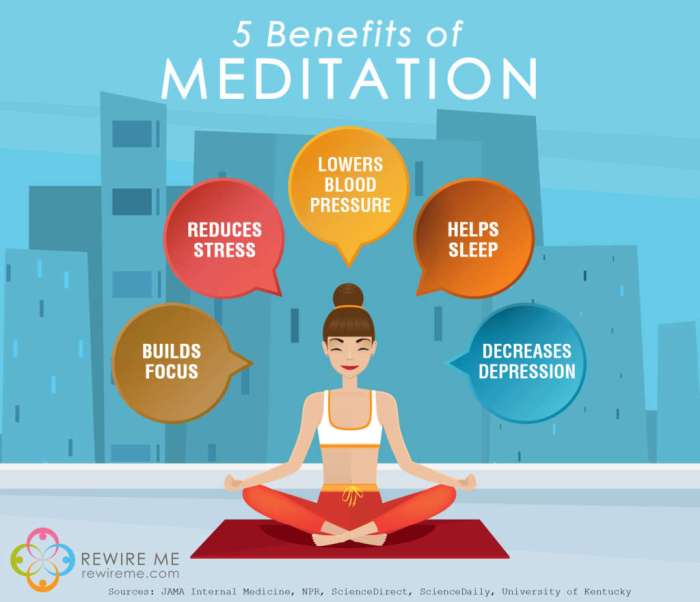
Meditation can significantly enhance productivity and foster creativity by calming the mind, reducing stress, and improving focus. When the mind is clear and calm, individuals are better able to concentrate on tasks at hand, leading to increased productivity. Moreover, creativity thrives in a relaxed and focused state, allowing for innovative ideas to flow freely.
Techniques to Boost Cognitive Abilities
- Practice Mindfulness: By focusing on the present moment without judgment, individuals can improve their cognitive abilities, making them more productive and creative in their work.
- Visualization: Using visualization techniques during meditation can help stimulate creativity and problem-solving skills, leading to innovative ideas and solutions.
- Breathing Exercises: Incorporating deep breathing exercises into meditation can increase oxygen flow to the brain, enhancing cognitive function and boosting productivity.
Examples of Successful Individuals
-
Ray Dalio, the billionaire investor and founder of Bridgewater Associates, attributes his success and productivity to his daily meditation practice. He believes that meditation helps him stay focused, make better decisions, and be more creative in his work.
-
Oprah Winfrey, media mogul and entrepreneur, practices meditation regularly to enhance her creativity and productivity. She credits meditation for helping her generate new ideas and stay productive in her various ventures.
Inner Peace and Well-Being
Meditation plays a crucial role in cultivating inner peace and overall well-being. By allowing us to quiet the mind and connect with our inner selves, meditation helps us find a sense of calm and tranquility amidst the chaos of daily life.
The Path to Inner Peace
- Meditation provides a space for self-reflection and introspection, allowing us to gain a deeper understanding of our thoughts and emotions.
- Through regular practice, meditation helps us let go of negative emotions and cultivate a mindset of gratitude and positivity.
- By fostering a sense of mindfulness and presence, meditation enables us to live in the moment and appreciate the beauty of life.
Long-Term Health Benefits
Regular meditation offers a plethora of long-term health benefits that can significantly impact overall well-being. By incorporating meditation into daily life, individuals can experience improved physical, mental, and emotional health, leading to a more balanced and harmonious existence.
Prevention of Health Conditions
- Meditation has been linked to the prevention of various health conditions, including heart disease, high blood pressure, and chronic pain. By reducing stress and promoting relaxation, meditation helps lower inflammation levels in the body, which can contribute to the prevention of these ailments.
- Studies have shown that individuals who practice meditation regularly are less likely to develop conditions such as obesity, diabetes, and autoimmune disorders. The mind-body connection established through meditation plays a crucial role in maintaining optimal health and preventing the onset of these diseases.
Success Stories and Studies
Research has indicated that long-term meditation practitioners exhibit lower levels of cortisol, the stress hormone, in their bodies. This reduction in stress hormones contributes to a stronger immune system, decreased risk of chronic illnesses, and overall better health outcomes.
- One study conducted over several years found that individuals who meditated consistently experienced improvements in cardiovascular health, reduced risk of stroke, and enhanced cognitive function compared to non-meditators. These findings highlight the long-lasting positive effects of meditation on health.
- Success stories from long-term meditators often showcase significant improvements in overall health and well-being. Many individuals report better sleep, increased energy levels, and a greater sense of vitality after incorporating meditation into their daily routines.
Epilogue
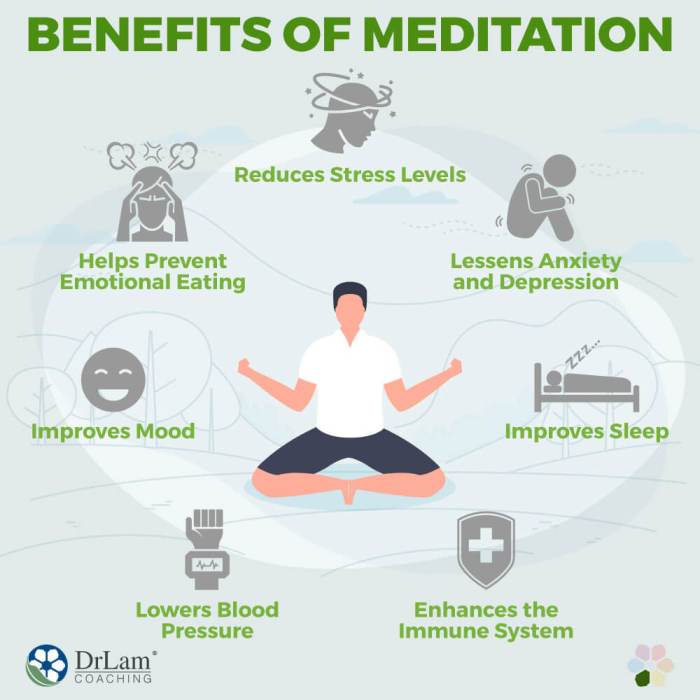
In conclusion, the benefits of regular meditation for stress-free living are vast and transformative. By incorporating meditation into your daily routine, you can experience improved overall well-being and a greater sense of inner peace. Start your journey towards a stress-free life today with the power of meditation.